

Recently, Austin has emerged as a vibrant hub for innovative technologies, and a key advancement transforming the landscape is 3D laser scanning. This state-of-the-art technology allows for precise and efficient capturing of physical spaces, facilitating various applications such as architectural design and historical preservation. As the city continues to expand and progress, 3D laser scanning service Austin is proving to be an essential resource for professionals in multiple disciplines, simplifying processes and elevating project success.
With its impressive accuracy and speed, 3D laser scanning enables businesses to visualize complex environments in previously unheard-of ways. Designers, engineers, and contractors are taking advantage of these solutions to produce comprehensive 3D models, reducing the likelihood of mistakes and fostering better collaboration among groups. As Austin embraces this technology, it not only enhances the efficiency of local projects but also places the city at the forefront in cutting-edge practices, ultimately transforming the architecture and construction sectors. spintax
Comprehending 3D Laser Scanning
3D laser scanning is a state-of-the-art technology that enables the capture of precise measurements and detailed three-dimensional representations of physical objects and environments. Utilizing a laser pulse, this technology collects vast amounts of data within a short time, forming a point cloud that represents the scanned area. This high level of accuracy makes it an invaluable tool for designers, engineers, and construction professionals in the Austin area, allowing them to create detailed models and plans based on actual conditions.
In Austin, the application of 3D laser scanning services has become increasingly popular, especially in sectors such as architecture, construction, and heritage preservation. The method helps in documenting existing structures with incredible fidelity, which is essential for restoration and revitalization projects. By providing a comprehensive data set, 3D laser scanning helps professionals make educated decisions and lessens the risk of costly mistakes, thus streamlining the entire project lifecycle.
Moreover, the insights gained from 3D laser scanning reach beyond simple measurements. The data can be combined into multiple software platforms for analysis, simulation, and visualization, allowing stakeholders to better understand the implications of their designs. This technology not only enhances teamwork among teams but also supports sustainable practices by reducing material waste through more accurate planning. As Austin continues to grow and evolve, the demand for 3D laser scanning service will only rise, further cementing its role in modern urban development.
Applications in Austin
3D laser scanning has found a wide range of uses across different industries in Austin, greatly improving accuracy and efficiency in projects. In the construction field, construction teams are utilizing 3D laser scanning to produce detailed 3D models of pre-existing structures. This technology allows for thorough documentation of site conditions, helping to spot potential issues before they occur. By integrating this data into Building Information Modeling, teams can simplify processes and enhance collaboration, ultimately cutting costs and timeframes.
The cultural heritage sector in Austin has also taken advantage of 3D laser scanning. Historical structures and monuments are being digitally captured to create extremely precise digital representations. 3D Laser Scanning Service Austin These models serve both as methods of preservation but also as educational resources and public engagement. By making these digital assets available, cultural institutions can raise awareness of Austin's historic architecture while ensuring that future generations have the ability to learn about this important history.
Furthermore, the housing market in Austin is capitalizing on 3D laser scanning to elevate advertising techniques. Detailed scans provide clients with immersive experiences of properties, permitting them to navigate through areas before inspection. This level of accuracy attracts more interest and helps realtors secure agreements faster. As the city grows further, integrating 3D laser scanning into the real estate process becomes increasingly vital, providing competitive advantages in a thriving market.
Benefits of Three-Dimensional Lidar Scanners Services
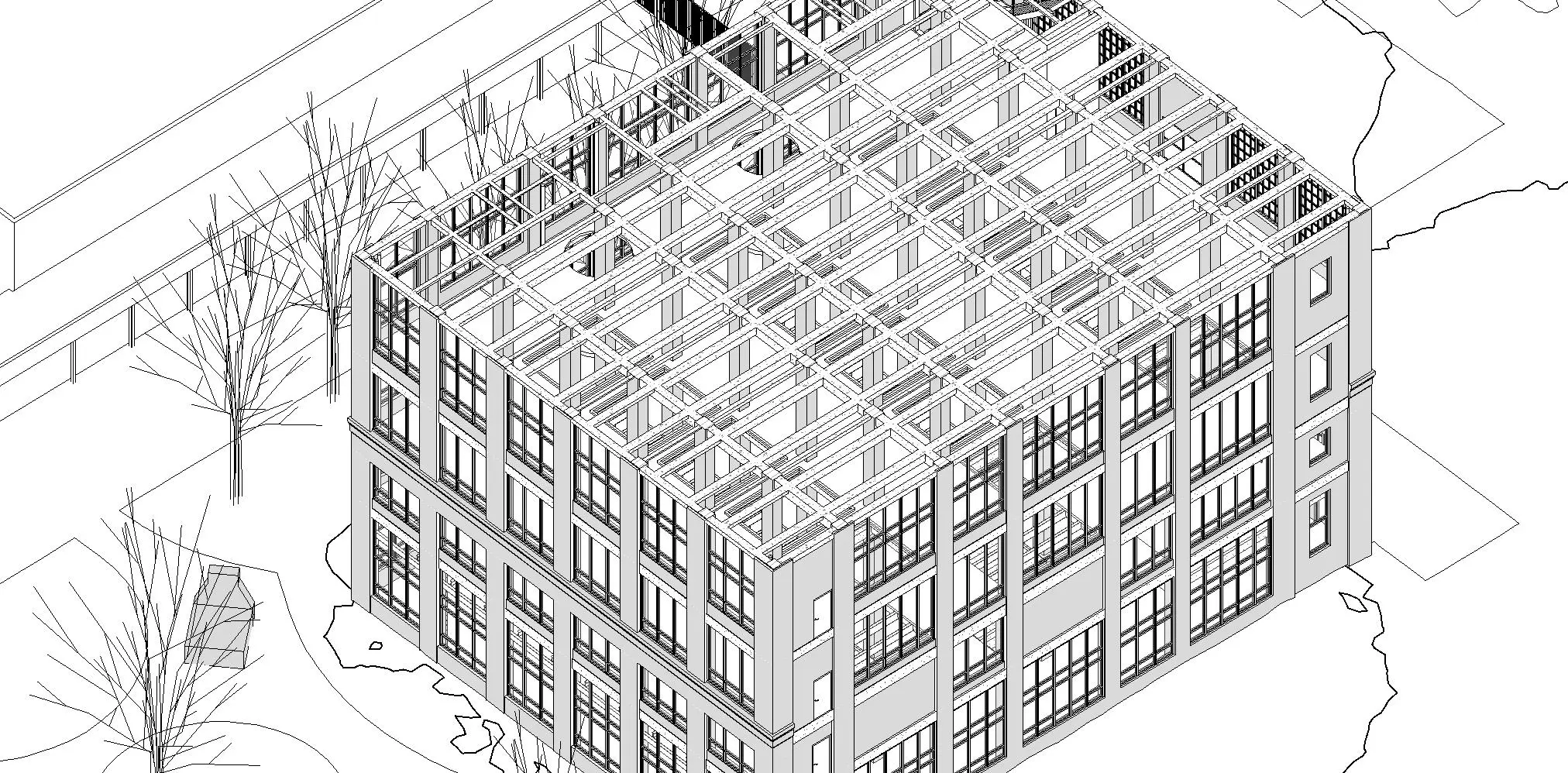
One of the main benefits of 3D Lidar scanning services is the remarkable level of accuracy they offer. In traditional measurement methods, human error can lead to inaccuracies that compromise the integrity of a project. With 3D Lidar scanning, thousands of data points are captured within a matter of minutes, yielding precise and detailed representations. This precision not only enhances the quality of planning and construction but also reduces expensive rework and delays that can arise from imprecise measurements.
Another significant benefit is the efficiency 3D laser scanners brings to workflow processes. Traditional measurement techniques can be laborious, often necessitating several trips to the site and extensive manual calculations. With 3D Lidar scanners, teams can gather data quickly and efficiently, allowing for quicker analysis and decision-making. This efficiency translates into shortened project timelines, making it easier for businesses in Austin to stay competitive and responsive to customer needs.
Three-Dimensional Lidar scanning also fosters enhanced collaboration among project participants. The detailed Three-Dimensional models produced can be easily shared and viewed by architects, engineers, and contractors, promoting better communication and understanding of the project's requirements. This team-based approach helps to identify potential issues earlier in the process, enabling teams to address challenges proactively. As a result, 3D Lidar scanners services are revolutionizing how projects are approached and executed in Austin.
Upcoming Trends in 3D Laser Scanning
As technology continues to advance, the prospects of 3D laser scanning is likely to showcase more advanced and accessible tools. Advancements in hardware and applications are paving the way for faster scanning processes with greater detail. The integration of AI and machine learning will boost data processing capabilities, permitting for advanced analysis and interpretation of digitized images. These improvements will turn 3D laser scanning services in Austin not only more productive but also more accessible for a broader range of uses.
Another trend is the rising adoption of mobile laser scanning devices. These portable solutions will allow users to acquire 3D data in diverse environments without jeopardizing precision. As more building, design, and development firms in Austin realize the value of handheld scanning, we can foresee a significant transition toward on-site data gathering. This capability to scan rapidly and conveniently in the field will facilitate immediate decision-making and collaboration among participants.
Finally, as sustainability and environmental awareness grow, 3D laser scanning will play a significant role in sustainable construction and urban planning. By producing detailed digital models of existing conditions, planners and architects can design more eco-friendly structures that efficiently use resources and minimize waste. In Austin, where growth and progress are ongoing, embedding 3D laser scanning into planning processes will be necessary for creating smart, eco-friendly urban environments that meet the requirements of the community.