

In the heart of the great state of Texas, Austin stands as a beacon of progress, attracting businesses and individuals looking to break new ground in multiple sectors. One of the most transformative technologies shaping the landscape of project development in the city is 3D laser scanning. This cutting-edge technique not only enhances accuracy in dims but also creates intricate, volumetric representations of actual places. As the city continues to develop and progress, the implementation of Austin’s 3D laser scanning services becomes increasingly important for designers, engineers, and builders seeking to improve their plans.
The benefits of utilizing this laser scanning technology are profound. By capturing millions of measurement points in a matter of minutes, this technology provides a level of accuracy that old measuring practices often struggle to replicate. In a busy metropolis like Austin, where area and materials are at a scarcity, this efficiency and precision can conserve both period and cost. As we explore further into the power of the 3D scanning services accessible in Austin, it is clear that this is not just a trend; it is a key component of today's project planning and implementation.
Grasping 3D 3D Scanning
3D Lidar scanning is a innovative method that captures exact dimensions of physical environments and objects using electromagnetic waves. This procedure involves emitting fast laser signals and measuring the time it takes for each beam to reflect back. The result is a dense point cloud that represents the form of the surveyed area. This information can be transformed into intricate three-dimensional models, making it invaluable for multiple uses such as development, planning, and preservation.
This technology significantly enhances accuracy and productivity by eliminating the need for handheld evaluations. The high-quality scans provide an unmatched level of detail, permitting professionals to examine and analyze areas in approaches that traditional techniques cannot match. By utilizing 3D Lidar scanning, stakeholders can minimize project hazards and enhance choices through enhanced data representation.
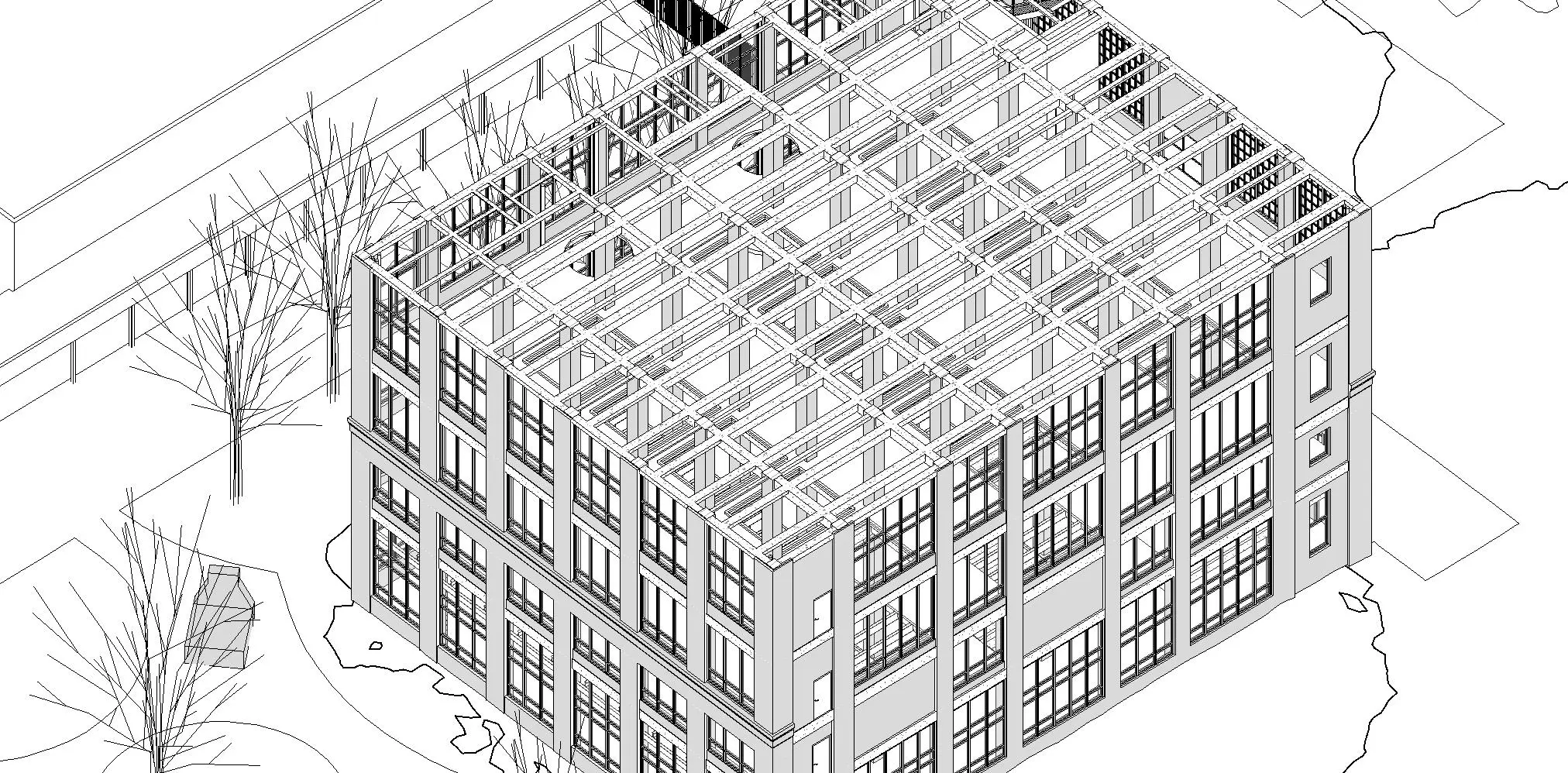
In Texas, the implementation of 3D laser scanning services has been increasing momentum, motivated by the city's strong growth and evolving architectural environment. Firms and construction firms increasingly appreciate the benefits of this method, such as quicker project deadlines and the option to integrate scans into structural modeling. By embracing 3D laser scanning, the professionals in Austin's professionals can ensure top-notch results and preserve market position in a quickly changing landscape.
Implementations in Construction and Planning
3D laser scanning has evolved as a game-changing tool in the building and planning sectors. By offering exact and clear spatial data, it helps architects and engineers to produce accurate models of existing environments. This digital depiction facilitates enhanced planning and coordination, enabling for more informed decision-making throughout the project lifecycle. Greater fidelity in measurements assists reduce errors, thereby preserving time and efforts during the planning phase.
In furthermore to enhancing design accuracy, 3D laser scanning significantly enhances collaboration among project stakeholders. By distributing digital models created from laser scans, teams can foresee potential challenges before construction commences. This level of openness fosters communication and facilitates for early detection of design inconsistencies, ultimately resulting to a smoother workflow. Stakeholders can examine the same data in real-time, aiding to streamline approvals and adjustments.
Additionally, 3D laser scanning plays a critical role in renovations and retrofitting projects. With the ability to record the detailed details of existing structures, design teams can formulate effective alteration plans without the need for extensive physical surveys. This capability is especially helpful in heritage preservation, where preserving the integrity of historical elements is paramount. Overall, the use of 3D laser scanning service in Austin is revolutionizing how building and design projects are carried out, yielding substantial benefits in effectiveness and accuracy. 3D Laser Scanning Service Austin
Benefits of Three-Dimensional Lidar Scanning Services Solutions
Three-Dimensional laser scanning solutions bring incomparable precision and effectiveness to various projects, especially in architectural and construction applications. Through collecting millions of information points in moments, these solutions provide a extremely detailed digital representation of existing circumstances. This elevated degree of precision minimizes the chances of mistakes or discrepancies that can arise from conventional measuring methods, eventually leading to improved project results and financial savings.
Another significant advantage of three-dimensional laser scanning is its capability to document and preserve detailed details of complex structures. This method is especially valuable in historical preservation and renovation projects, where maintaining the initial design is crucial. With accurate scans, architects and engineers can examine the existing state and develop precise models, ensuring that the integrity of heritage sites is preserved while incorporating modern enhancements.
In addition, Three-Dimensional lidar scanning solutions enhance the workflow between various stakeholders participating in a project. By offering a shared digital platform, all stakeholders can utilize the same accurate measurements and visualizations, promoting collaboration and minimizing misunderstandings. This enhanced communication leads to more efficient project management, faster decision-making, and ultimately, successful project execution in the dynamic city of Austin.
Case Examples in the City of Austin
In the heart of downtown Austin, one notable project that highlighted the advantages of 3D laser scanning was the renovation of a heritage building. The original structure posed numerous challenges due to its complex architectural features and tight access for traditional measurement techniques. By leveraging 3D laser scanning services, contractors were able to create a precise digital model of the building's interior and exterior. This not only streamlined a more effective design process but also confirmed that the renovations adhered to the original aesthetics while incorporating modern amenities.
Another compelling case involved a significant infrastructure project on the outskirts of the city. The planning team faced strict deadlines and difficult logistics. By using 3D laser scanning, they captured comprehensive topographical data of the site, allowing for precise assessments of the terrain. The technology enabled engineers to analyze potential obstacles and plan for optimal construction methods. This proactive approach significantly minimized delays and cost overruns, proving the value of 3D laser scanning service Austin in current engineering practices.
Lastly, an Austin-based architectural firm undertook a project for a mixed-use development that demanded integrated integration of various elements, including residential, retail, and public spaces. The firm leveraged 3D laser scanning to record existing conditions of the site correctly. This allowed them to imagine how new constructions would interact with the current environment. The rich point cloud data generated from the scans helped stakeholders make informed decisions during the design phase, demonstrating how 3D laser scanning can be pivotal in achieving a harmonious development project.