

Lately, Austin stands out as a center for tech innovation, and one of the most impressive innovations in this vibrant city is the emergence of 3D laser scanning services. This cutting-edge technology is revolutionizing various industries, including building and construction to heritage preservation and immersive experiences. As businesses and professionals increasingly realize the benefits of precise measurements and detailed visual data, the need for 3D laser scanning services in Austin continues to grow.
3D laser scanning is not just about recording visuals; it generates extremely precise 3D models that can be altered and assessed for a range of applications. With its ability to analyze complicated environments in exceptional fidelity, this technology is furnishing Austin with the tools to advance and improve efficiency across various sectors. As we explore the future of measurement, it's clear that 3D laser scanning is at the cutting edge, shaping the future and offering new avenues for a myriad of projects throughout the city.
Summary of Laser Scanning Techniques
3D scanning technology has revolutionized the way we record and examine physical environments. It makes use of laser beams to produce detailed, tri-dimensional representations of things and locations. This non-intrusive method acquires millions of data points, known as point clouds, which facilitate for detailed measurements and analysis of intricate geometries. As a result, it has grown into an essential tool in several industries, including architectural design, the field of engineering, construction, and even preserving heritage.
In Austin, Texas, 3D laser scanning services are gaining prominence, allowing for improved workflows and enhanced project outcomes. The technology enables professionals to accurately document existing conditions, providing a trustworthy baseline for design and construction. With the ability to capture fine elements, it significantly lessens the risk of errors during the planning phase, saving both time and money. This is particularly beneficial in a growing city like Austin, where rapid development necessitates exactness in project execution.
Looking to the future, the integration of 3D laser scanning with other technologies such as Building Information Modeling (BIM) and Geographic Information Systems (GIS) promises to simplify processes even further. https://how-laser-scanning-enhances-safety-in-work-environments.us-southeast-1.linodeobjects.com/what-is-the-cutting-edge-laser-scanning-method-thats-changing-safety-in-work-environments.html As advancements continue, we can expect more innovative applications within regional industries. With its ability to create extremely detailed and modifiable digital models, 3D laser scanning service in Austin is set to enhance not only the productivity of current projects but also the quality of future developments.
Implementations of Three-Dimensional Laser Scanning in Austin
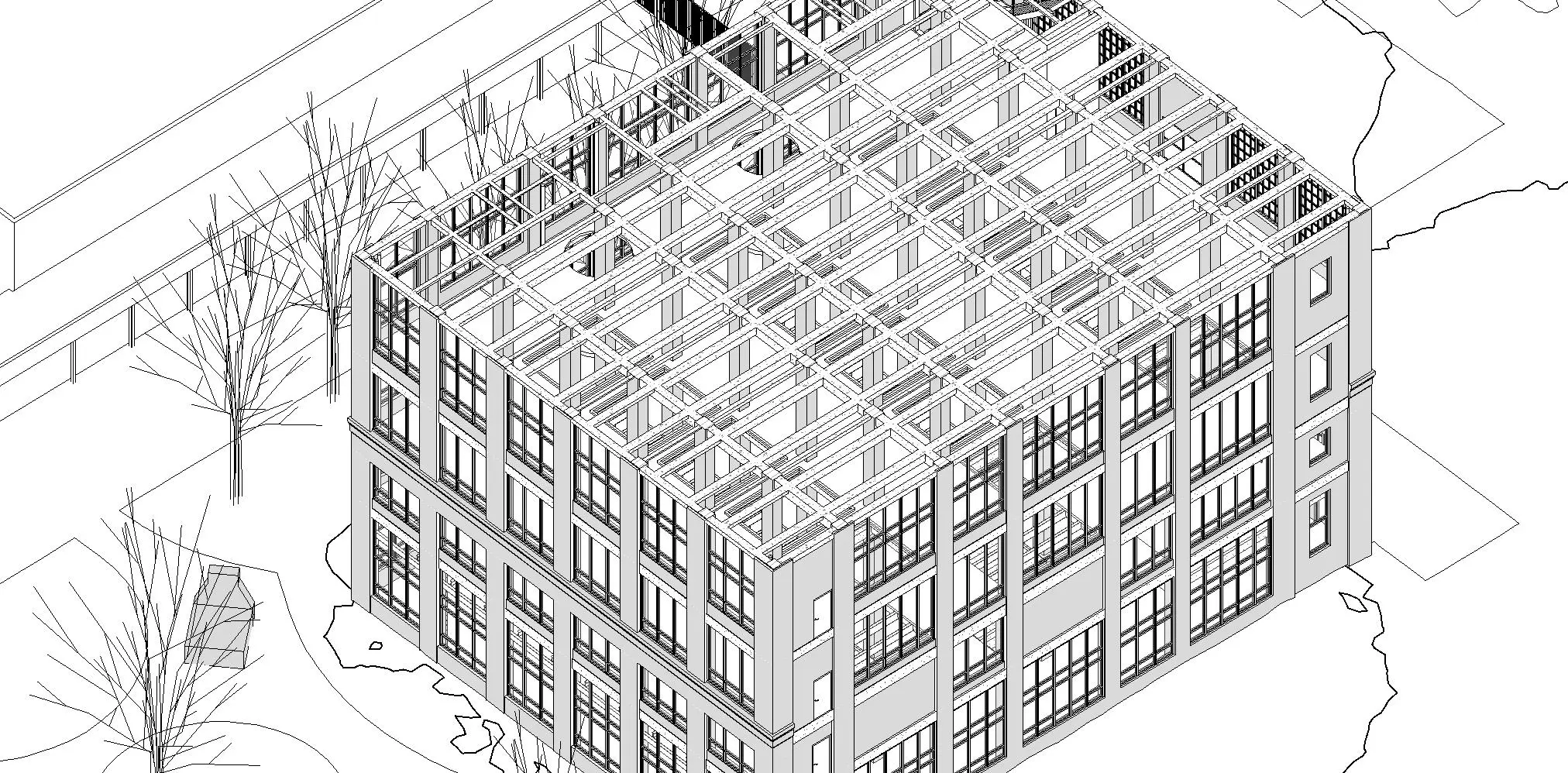
3D laser scanning has gained significance in various sectors across Austin, greatly influencing construction and design of buildings. This technology enables precise measurements and comprehensive 3D models of structures and environments, enhancing the preparation and implementation stages of tasks. By collecting intricate details and dimensions, architects and construction professionals can visualize their plans better, enabling better decision-making and lowering the risk of significant errors during construction.
In the field of historical preservation, 3D laser scanning is invaluable for documenting historic sites and buildings in Austin. This gentle technique guarantees that the stability of these sites is kept intact while collecting accurate data for study, restoration, and teaching. By producing highly detailed 3D models, heritage professionals can analyze wear, develop conservation strategies, and even recreate lost elements, ensuring the city's rich history is maintained for future years.
Moreover, Three-Dimensional laser scanning has optimized processes in surveying and development of land in Austin. Surveyors utilize this technology to capture land data quickly and accurately, which assists in efficient planning for future constructions and public works. The ability to produce detailed digital terrain models helps in assessing land suitability and environmental impact, ultimately fostering sustainable development in the rapidly expanding city of Austin.
Innovative Advancements in 3D Laser Scanning
Recent advancements in 3D laser scanning technology are transforming the industry of architectural design and construction in Austin. State-of-the-art scanners now offer improved precision and quicker data acquisition, empowering professionals to gather detailed details of structures and landscapes with efficiency. This advancement allows architects and engineers to create superior models, leading to improved project outcomes and reduced rework.
Additionally, the merging of artificial intelligence and machine learning with 3D laser scanning services is paving the way for smarter analysis of scanned data. These technologies can dynamically recognize patterns and anomalies within the collected data, improving decision-making processes. As a result, construction teams in Austin can now make more informed choices, ultimately leading to more efficient workflows and enhanced project efficiency.
Another exciting development is the portability of 3D laser scanning equipment, which has made it more convenient for teams to conduct fieldwork in various environments. This mobility allows for speedier assessments of sites, even in hard-to-reach areas, accelerating the planning and execution phases of projects. As a result, 3D laser scanning solutions in Austin is becoming ever more accessible to a variety of industries, from heritage conservation to urban planning.
Upcoming Developments in Measurement Technologies
As technology continues to advance, the field of measuring is poised for transformative advancements. 3D laser scanning is becoming a common tool across various industries in the Austin area, enhancing precision and efficiency in measurements. This trend is being driven by the increasing demand for accuracy in building, architecture, and technical projects. The inclusion of automation and AI in laser scanning systems is expected to simplify workflows, allowing for quicker data handling and analysis.
In the next years, the rise of portable and handheld 3D laser scanners will further broaden access to this tech. These portable devices will enable professionals to collect data in real-time on-site, greatly reducing the turnaround time for projects. In Austin, where innovation is a key part of the local culture, the spread of such tools will likely lead to new applications in fields such as cultural preservation, urban development, and environmental management, showcasing the versatility of 3D laser scanning services.
Moreover, the combination of 3D laser scanning with other emerging technologies, like unmanned aerial vehicles and AR, presents exciting opportunities for the coming years. Drones equipped with laser scanning capabilities can scan large areas quickly and securely, making them invaluable for topographical mapping and monitoring construction sites. Meanwhile, augmented reality can superimpose scanned data onto physical spaces, enhancing visualization for customers and stakeholders in the Austin vibrant real estate market. These advancements will not only enhance the standard of measurements but also change the way professionals interact with spatial data.